
Find South Carolina Bench Warrants
South Carolina bench warrants are court orders used to bring a person before a judge. Courts across all 46 counties in South Carolina issue bench warrants when someone fails to appear or does not follow a court order. You can search for active bench warrants through the SC Judicial Branch Public Index, county court records, and the SLED CATCH system. These tools let you look up warrant records by name, case number, or county from your home.
South Carolina Bench Warrants Quick Facts
What Are South Carolina Bench Warrants
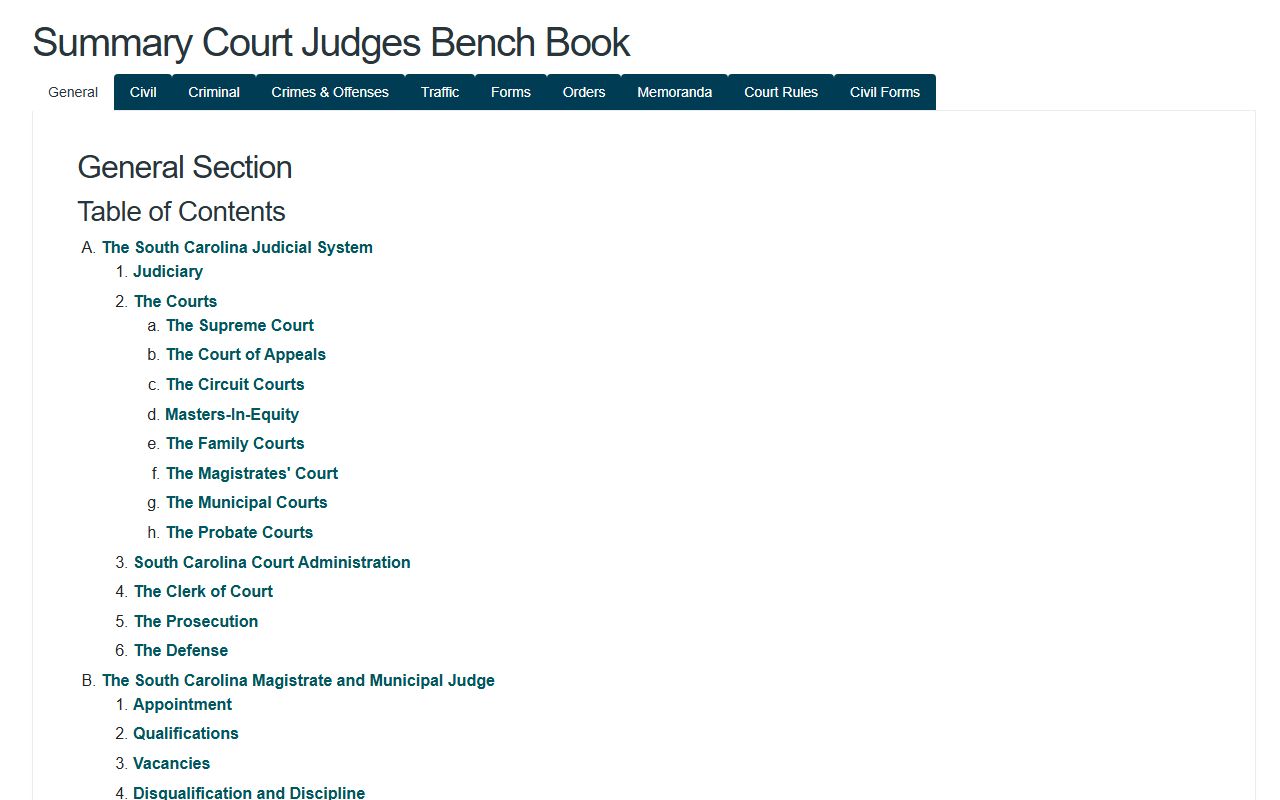
A bench warrant in South Carolina is a form of process issued "from the bench" for the arrest of a person. The Summary Court Bench Book makes clear that bench warrants are not the same as arrest warrants. A bench warrant cannot start a new case. Its sole purpose is to bring a person back before the court that issued it.
The South Carolina Summary Court Bench Book outlines how these warrants work in practice.
Judges across South Carolina issue bench warrants for several reasons. The most common cause is failure to appear in court after being released on bond. A person who skips a court date puts the court in a difficult spot. The judge then signs a bench warrant to have that person picked up and brought back. Other reasons include failing to pay a fine that the court ordered, being tried while absent and needing to comply with the sentence, or a witness who does not show up after getting a subpoena. Each of these actions can lead to a bench warrant in South Carolina.
How to Search Bench Warrants in South Carolina
South Carolina offers several ways to look up bench warrants. The fastest method for most people is the online SC Judicial Branch Public Index. This free tool covers court records across all 46 counties. You can search by party name, case number, or county. When you find a case, click the "Action" tab. This tab shows the bench warrant status for that case. Look for entries that say "Failure to Comply" or "Archived Bench Warrant." As of January 1, 2026, home addresses are no longer shown in the Public Index results.
The SC Judicial Branch Public Index is the main tool for searching bench warrant records online in South Carolina.
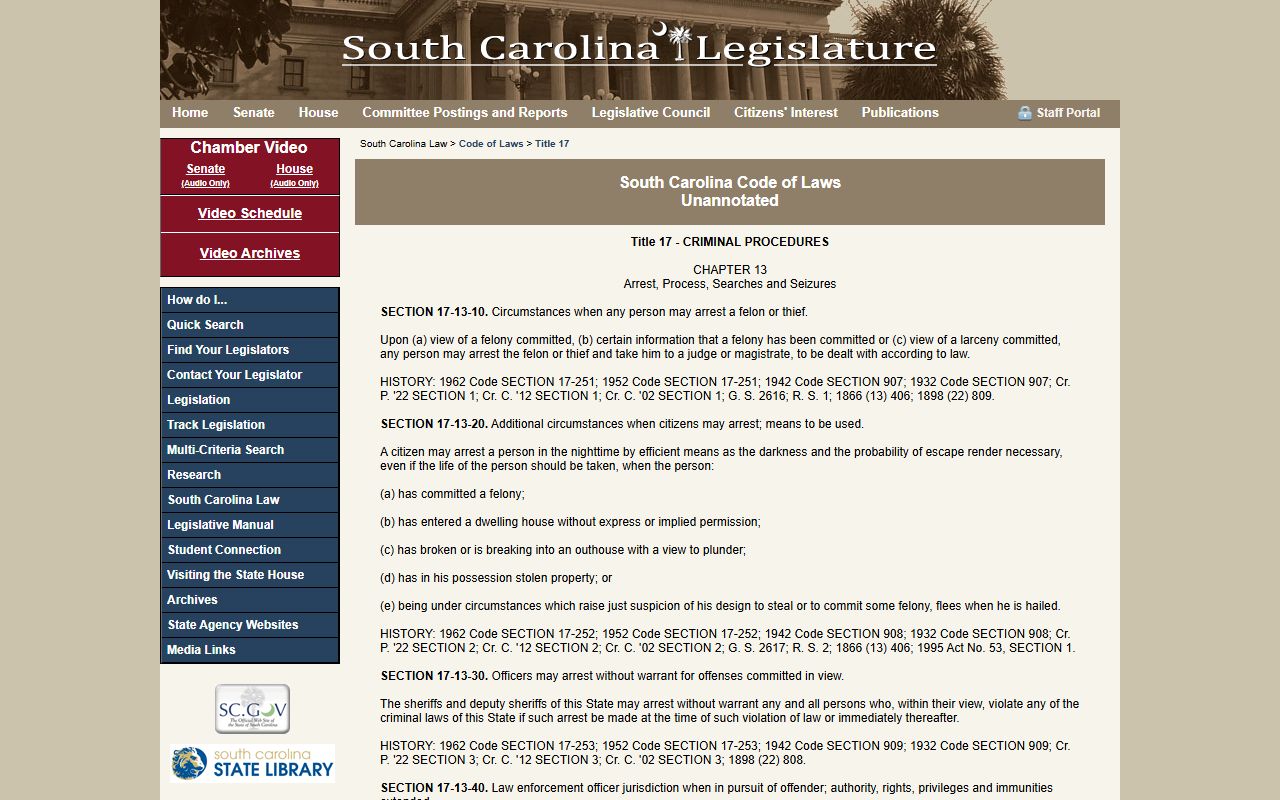
The SC Code of Laws Title 17 sets out the rules for criminal process in the state. This statute covers how courts handle warrants, bonds, and related actions. Knowing the law helps you understand what shows up in a warrant search across South Carolina courts.
You can also visit a Clerk of Court office in any South Carolina county. Staff can search court records and tell you if a bench warrant is active for a given name or case. Most offices are open during normal business hours. Bring a full name and date of birth for the best results when you search in person.
Note: The Public Index is free, but it may not show all bench warrants from courts that have not yet uploaded their records.
South Carolina Bench Warrant Lookup Through SLED
The South Carolina Law Enforcement Division runs the CATCH system for criminal background searches. You can use the SLED CATCH system to check for bench warrants tied to a person's name. Each search costs $25 plus a $1 convenience fee. You need the person's last name and date of birth to run a search.
The SLED CATCH system is one of the most thorough ways to search for warrants in South Carolina.

SLED pulls data from courts and law enforcement across the state. The results may show bench warrants along with other warrant types and criminal history. This makes it a good choice when you want a full picture. Keep in mind that the SLED search is name-based. Common names may return results for more than one person. Always check dates and other details to confirm you have the right match for your bench warrant search in South Carolina.
Bench Warrants for Bond Violations in South Carolina
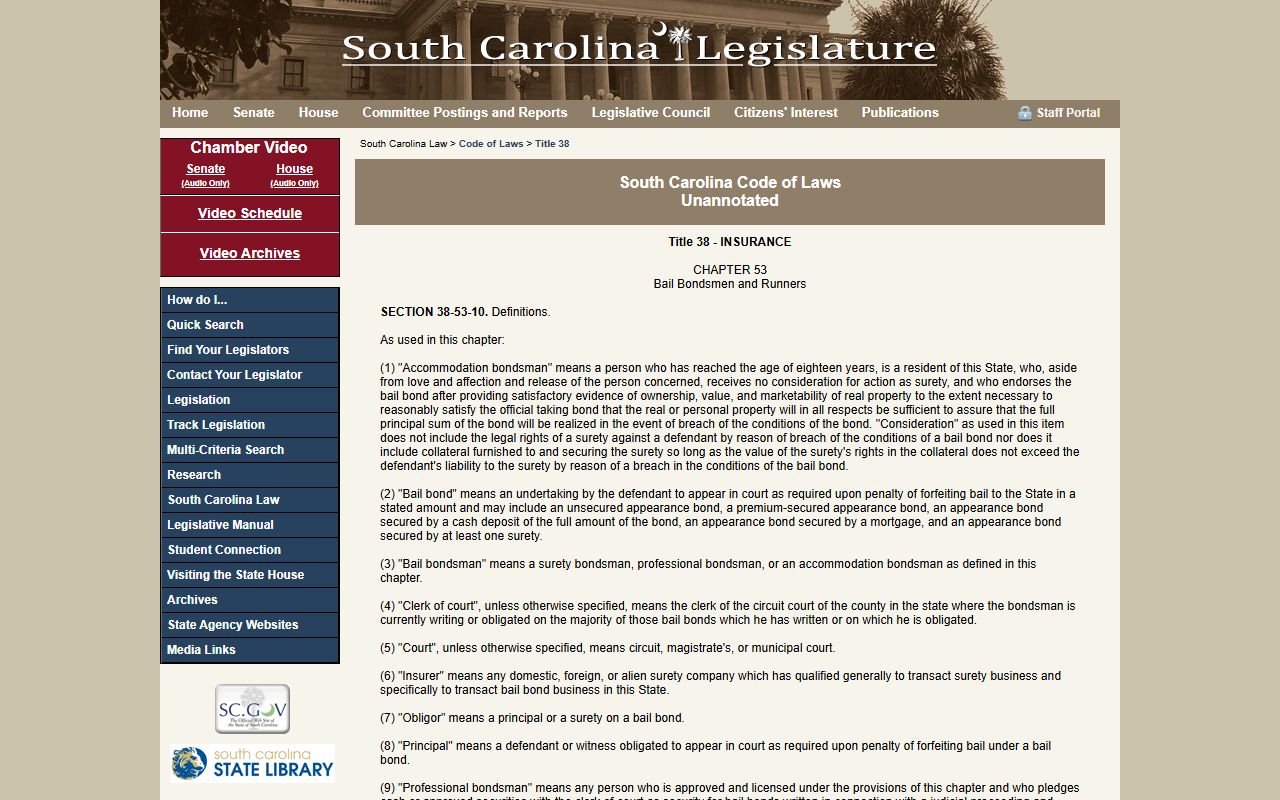
When a person violates the terms of their bond, the court must act. Under SC Code Section 38-53-70, if a defendant breaks any condition of release on bond, the court shall issue a bench warrant. This is not optional. The law requires the court to take this step.
SC Code Section 38-53-70 spells out how bond violations trigger bench warrants in South Carolina.
Once the bench warrant is issued, the surety who posted bond has 90 days to surrender the defendant. If the surety does not bring the person in within that window, the bond is forfeited. This means the full bond amount is lost. The bench warrant stays active in South Carolina until the person is found or turns themselves in. Bond companies and bail agents take these deadlines very seriously because of the financial risk.
Note: A bench warrant for bond violation in South Carolina can be served at any time, including on Sundays under SC Code Section 17-13-90.
Magistrate Court Bench Warrants in South Carolina
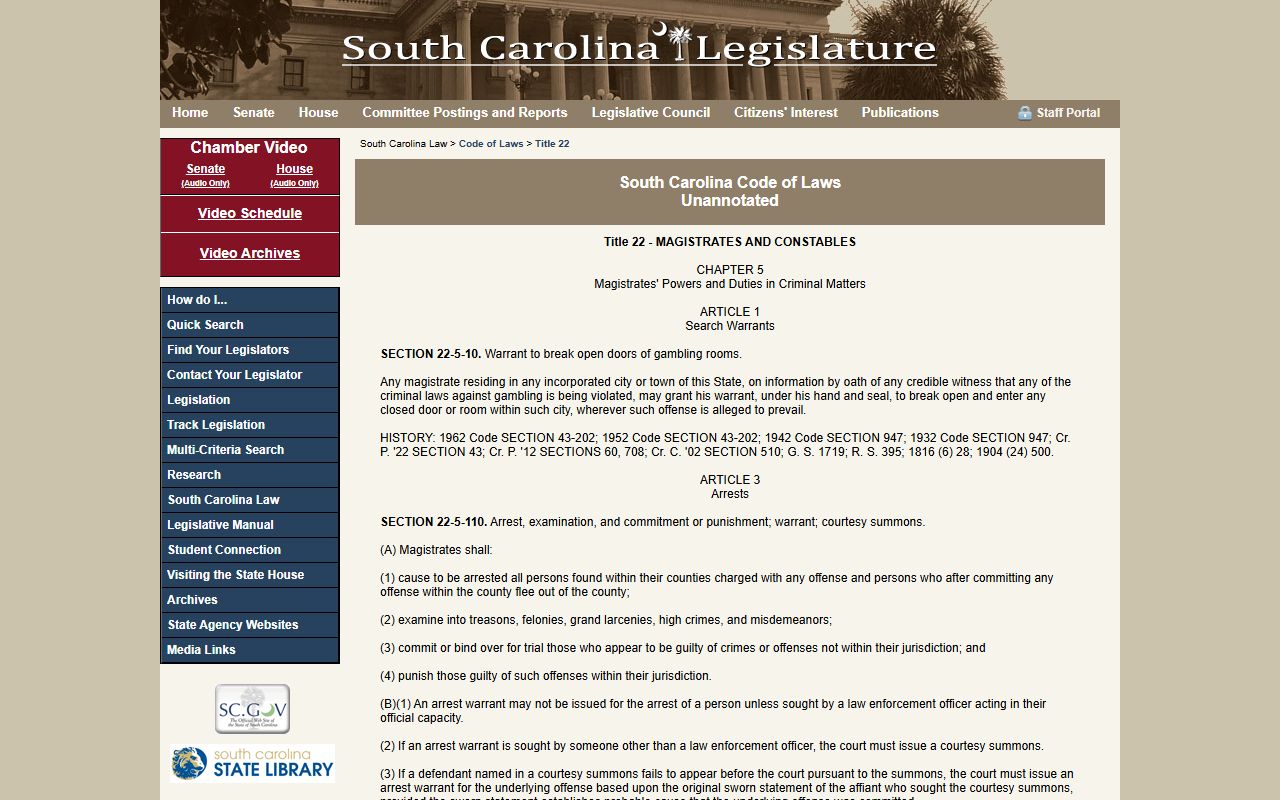
South Carolina has about 300 magistrate courts spread across all 46 counties. These courts handle a large share of the bench warrants issued in the state. Under SC Code Section 22-5-115, a magistrate court judge may issue a summons instead of an arrest warrant for certain cases. This gives the person a chance to appear on their own. But if the person fails to show up, the judge can issue a bench warrant.
SC Code Section 22-5-115 governs how magistrate courts in South Carolina handle summons and bench warrants.
Magistrate courts deal with minor offenses and small claims. A missed court date in magistrate court can still lead to a bench warrant in South Carolina. The warrant gives law enforcement the power to pick up the person and bring them before the judge. Many people do not realize that skipping a simple hearing can result in an active warrant against them.
South Carolina Bench Warrant Court Rules
Rule 13 of the South Carolina Family Court Rules sets out clear guidelines for bench warrants tied to bond violations. The rule states that bench warrants should be used sparingly. Courts are told to prefer rescheduling over issuing a warrant when possible. This reflects the idea that a bench warrant is a serious step, not a first resort.
Rule 13 outlines specific procedures for how South Carolina courts should handle bench warrants.
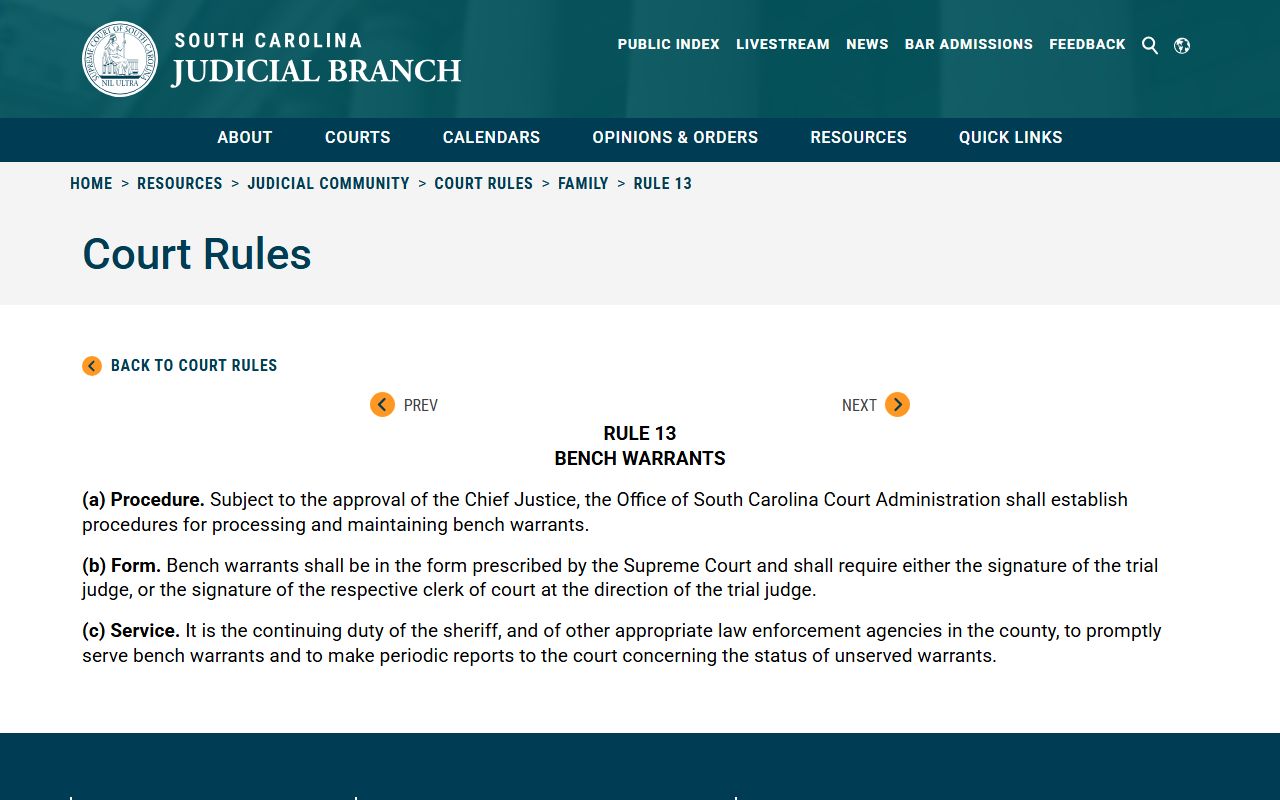
When a person is picked up on a bench warrant in South Carolina, they must be brought before a bond judge within 24 hours. This protects the person's rights. They get a chance to explain their side and the judge can set new conditions. The 24-hour rule keeps people from sitting in jail for days without seeing a judge. It applies to all bench warrants under Family Court rules in South Carolina.
Requesting South Carolina Warrant Records
The South Carolina Freedom of Information Act gives the public the right to request government records. Under SC FOIA, you can ask any court or agency for bench warrant records. The law requires a response within 10 business days for records less than 24 months old. For older records, the response time is 20 business days.
The SC FOIA statute sets the rules for how the public can access bench warrant records in South Carolina.
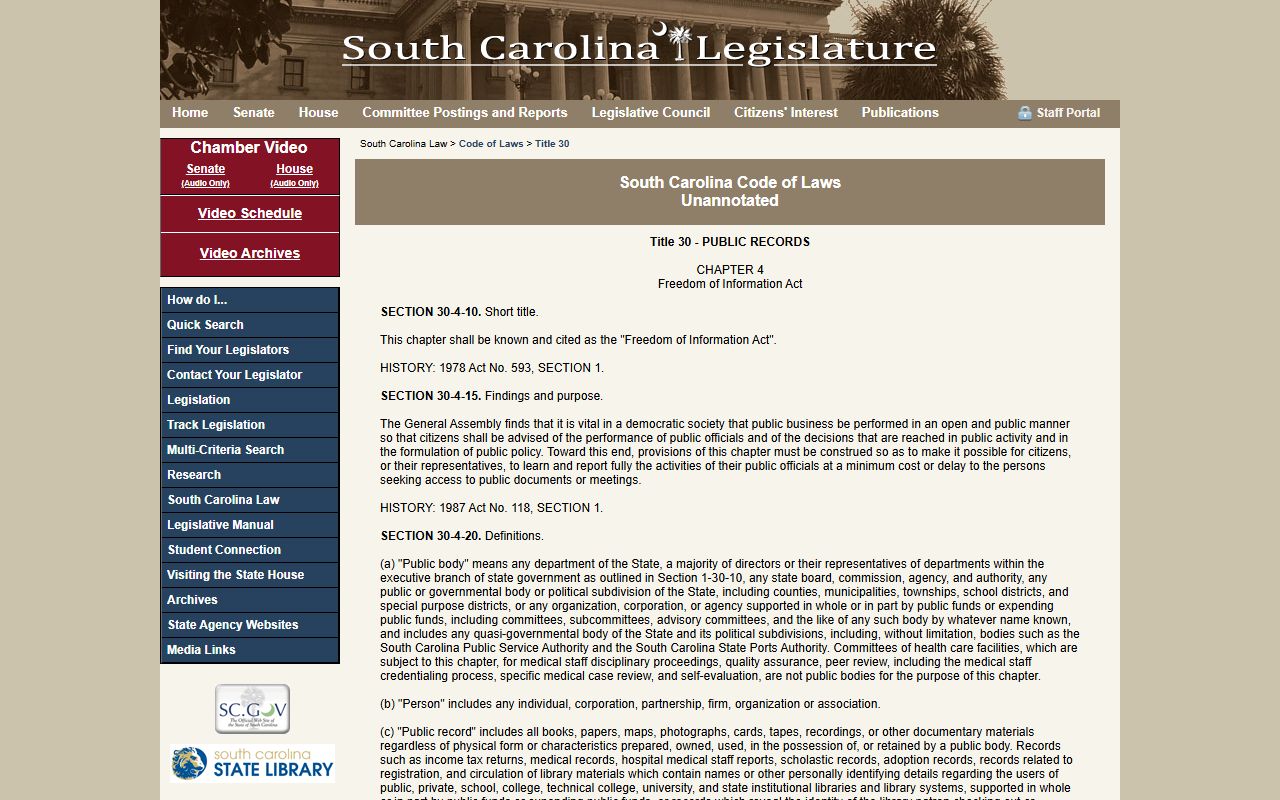
There are some limits to what you can get. Affidavits tied to warrants that have not been served yet are exempt from disclosure. This means if a bench warrant has been signed but not yet carried out, some of the supporting paperwork may not be released. Once the warrant is served, those records typically become available. You can submit a FOIA request by mail, email, or in person to the court or agency that holds the records in South Carolina.
South Carolina Bench Warrants in Higher Courts
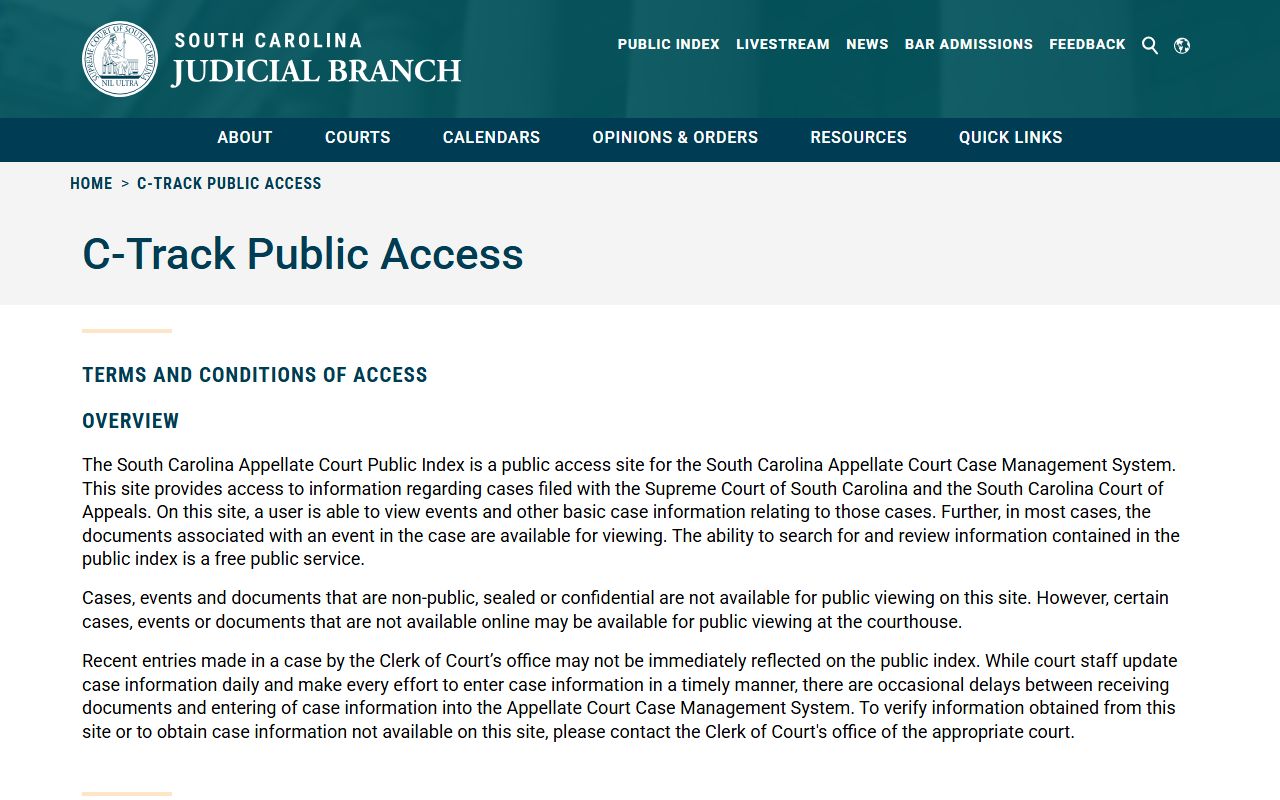
Most bench warrants in South Carolina come from trial courts. But higher courts play a role as well. The SC Appellate Court Public Index lets you search appellate cases that may involve bench warrant issues on appeal. If a bench warrant was challenged or if a case was appealed, you can find those records here.
The SC Appellate Court Public Index covers cases reviewed by the higher courts in South Carolina.
Federal courts in South Carolina handle a different set of cases. The US District Court for South Carolina has its own records system. Federal bench warrants are rare but do occur when a person fails to appear in federal court. These records are separate from the state system and must be searched through the federal court's own tools.
The Federal District Court for South Carolina maintains its own case records.
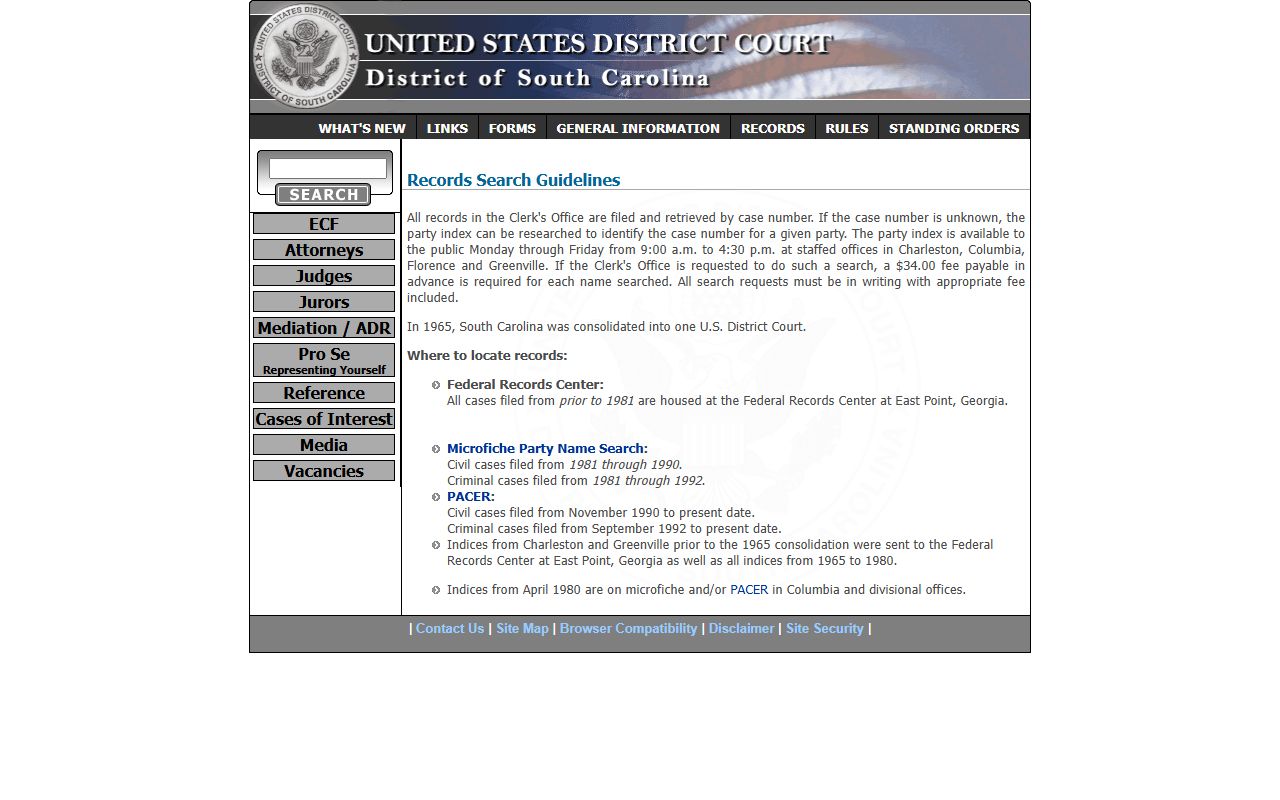
Note: Federal bench warrants do not appear in the SC Judicial Branch Public Index or the SLED CATCH system.
County Bench Warrant Search in South Carolina
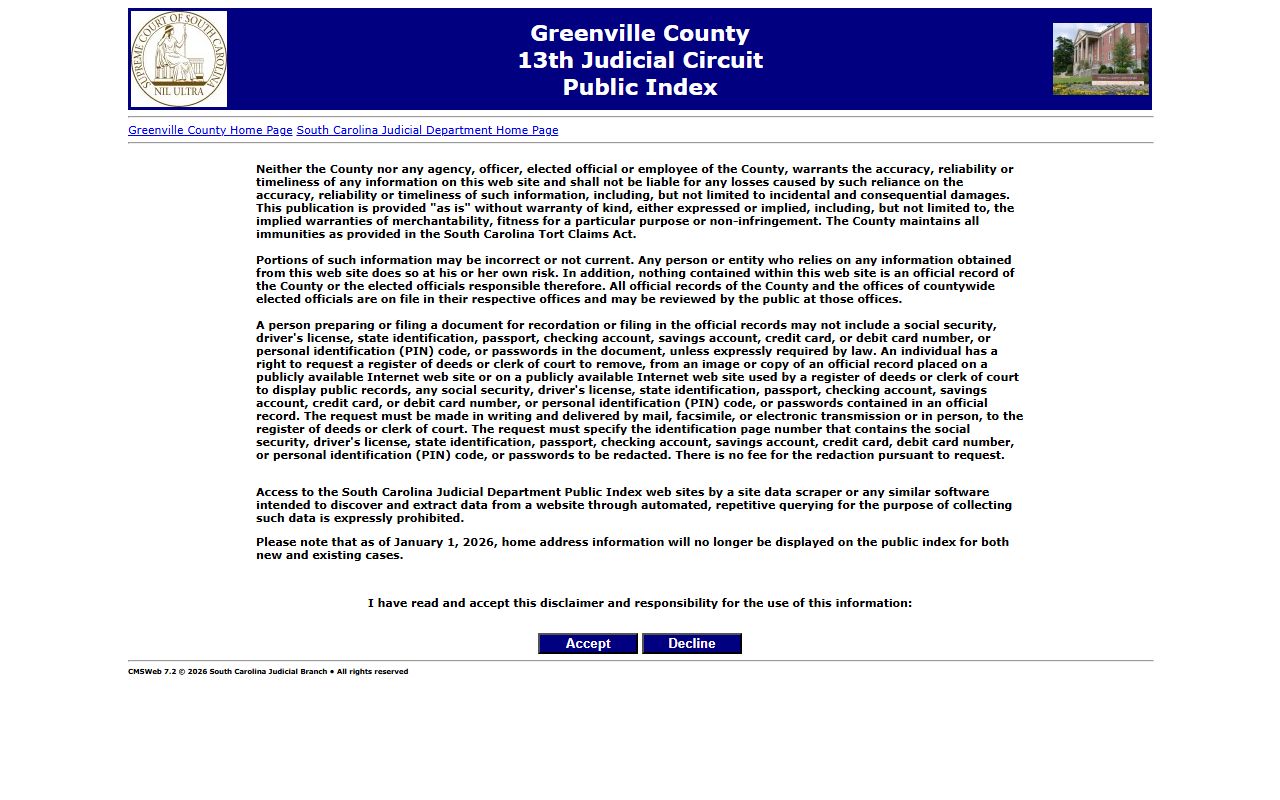
Each of the 46 counties in South Carolina maintains its own court records. Some counties offer online search tools that make it easy to check for bench warrants. The Greenville County Public Index is one example. This tool lets you search local court records by name or case number.
The Greenville County Public Index is a useful resource for searching bench warrants at the county level in South Carolina.
Not all counties in South Carolina have their own online search tools. For those that do not, you can use the statewide Public Index or visit the courthouse in person. Here are common steps to search for bench warrants at the county level:
- Go to the county courthouse or Clerk of Court office
- Provide the full name and date of birth
- Ask the clerk to check for active bench warrants
- Request copies of any warrant records found
- Pay any required copy fees
Large counties like Charleston, Richland, and Spartanburg handle more bench warrants than smaller ones. Their court systems process a high volume of cases each year. If you are searching in one of these counties, be ready with as much detail as possible to narrow down your results in South Carolina.
Resolving a Bench Warrant in South Carolina
If you find an active bench warrant in your name, take action right away. The warrant will not go away on its own. In South Carolina, a bench warrant stays active until the person is picked up by law enforcement or turns themselves in voluntarily. Turning yourself in is almost always the better path. It shows the court that you are willing to cooperate.
When you go to the court, a bond judge will hear your case within 24 hours. The judge may set new conditions for release or adjust the original order. In many cases, people who turn themselves in on a bench warrant in South Carolina receive more favorable treatment than those who are picked up during a traffic stop or other encounter with police. You may also want to speak with a lawyer before going in. A lawyer can help you prepare and may be able to arrange a court date so you avoid sitting in custody while you wait.
Family Court bench warrants in South Carolina have their own rules about when they can be served. Under SC Code Section 15-9-17, Family Court bench warrants can be served on Sundays. The one exception is that a person cannot be served while attending religious services. Criminal bench warrants can also be served on Sundays under Section 17-13-90. This means there is no day of the week when a bench warrant is not enforceable in South Carolina.
- Contact a lawyer for advice on your case
- Turn yourself in at the court that issued the warrant
- Bring any relevant documents or proof of compliance
- Be ready for a bond hearing within 24 hours
Browse South Carolina Bench Warrants by County
Each county in South Carolina has courts that issue and track bench warrants. Pick a county below to find local warrant records and court information.
Bench Warrants in Major South Carolina Cities
Residents of major cities can search for bench warrants through their county court system. Pick a city below to find local warrant search resources.